CMER History and development
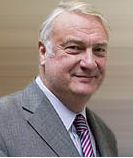
Meanwhile the CMER was joined by Professor Geert Van Hoorick, who is an expert in nature conservation and wildlife protection law (he covers also land-use law, together with Professor Tom De Waele, and agrarian law), and by Professor Frank Maes and Professor An Cliquet from the Maritime Institute, who are experts in international and European environmental law and biodiversity law. Their PhDs were on marine pollution from shipping (Frank Maes, 1996) and nature conservation in the marine and coastal environment (An Cliquet, 2001). Professor Frank Maes is known as a pioneer in the field of marine spatial planning. From 2000 on, fundamental research has been carried out based on research projects and also due to increased foreign scientific cooperation, resulting in more than 30 PhDs. Besides PhD research, policy-oriented research supported by the Federal and the Flemish government remained an important component of the CMER research objectives. In 1999 the federal law on the protection of the marine environment was drafted (Frank Maes & An Cliquet) and adopted, in 2000-2003 the Flemish decree on integrated water policy, implementing the EU Water Framework Directive, was drafted (Luc Lavrysen, Frank Maes, Peter De Smedt, Gwendoline Gonsaeles) and adopted, and in 2001-2005 a model nature conservation and wildlife protection act was drafted (Geert Van Hoorick & An Cliquet). With Professor Frederik Vandendriessche and Professor Jelle Laverge (from the Department of Architecture and Urban Planning) joining the CMER, multidisciplinary research in energy law became an additional spearhead of the CMER. In 2020 Professor Lavrysen has been appointed as President of the Belgian Constitutional Court and in 2021 he retired as professor, but is still an active member of the CMER. In the same year Professor Hendrik Schoukens, whose PhD was on legal aspects of ecological restoration in the EU (2017) was appointed and joined the CMER, contributing to the expertise of the CMER in the field of nature conservation and wildlife protection, as well as general environmental law (environmental impact assessment and climate change litigation). Since the retirement of Professor Luc Lavrysen, Professor Geert Van Hoorick is the director of the CMER. Recently also heritage law and animal welfare law have been brought within the scope of the CMER’s research. Currently the focus of fundamental research project is on topics such as ecological restoration, climate change and nature conservation, rights for nature, animal rights, local energy communities, and interconnectivity of the Belgian offshore wind farms.