Dieneke Van de Sompel
Biography
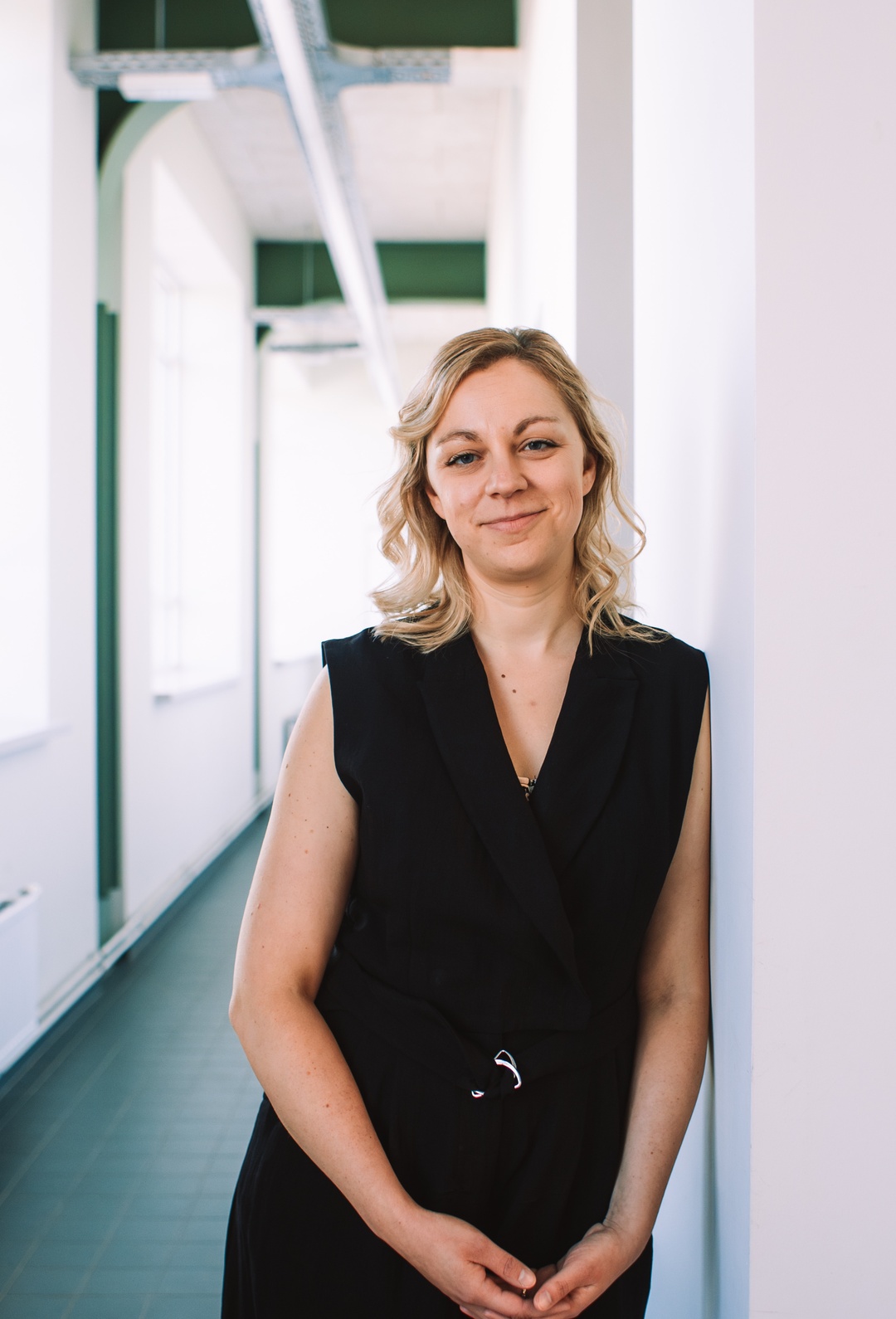
Dieneke is associate professor Communication Management at the department of Communication Sciences, Faculty of Political and Social Sciences where she is a member of the research group CEPEC (Center for Persuasive Communication).
She teaches several courses, such as “Digital Persuasive Communication”, “Strategische Communicatiechallenges” (Master Communication Management), “Professionele Vaardigheden voor Communicatiewetenschappers” (Bachelor Communication Sciences) and “Communicatievaardigheden” (Bachelor Pharmaceutical Sciences).
She is also steering committee member of the Persuasive Communication Division of the Netherlands–Flanders Communication Association (NeFCA). Her work has been published in a diverse range of SSCI-ranked journals such as Journal of Advertising, International Journal of Consumer Studies, Computers in Human Behavior, Journal of Advertising, Journal of Consumer Affairs etc.
Research Tracks
The interdisciplinary research of Dieneke focusses on the development of minors as consumers. Her work is situated within the broader context of transformative consumer and communication research, addressing critical societal challenges such as health, sustainability and consumerism. As such, she has participated in projects exploring children’s reaction to sustainability labels, explored children’s voice in energy-efficiency in households, examined how children benefit from privacy literacy training, explored adolescents’ responses to persuasive communication, examined the impact of influencer communication etc.
A central theme in her current work is understanding how persuasive communication (such as school interventions, but also social media messages) impacts minors’ and their parents’ food consumption. Dieneke (co-)supervises many PhD-colleagues exploring this theme, among which Lies Beugnies, who explores children’s perceptions of food waste, Bram Uyttenhove, who works on parental resistance of child-targeted packaging and Ellen Mertens, examining how mothers’ infant feeding choices are influenced by momfluencers. Dieneke is also co-supervisor of a Stichting-tegen-Kanker funded systems dynamics project where co-creation solutions are developed with stakeholders to improve children’s diets in food insecure families.
A second main research theme involves the study of how children’s consumer socialisation process is shaped. Within this theme, Bo Dhondt looks at how consumer learning happens in families via reciprocal dynamics between parents and children.
Contact
+32 9 264 91 89
Technicum, T1, Sint-Pietersnieuwstraat 41, 9000 Ghent